Valentin Psychology

Motor Vehicle Accidents

After a Motor Vehicle Accident

An accident can change far more than what shows on an X-ray: sleep, memory, mood, confidence on the road, and sometimes the sense of who you are. We assess what has changed and help you recover, usually with coverage from your auto insurance.

Psychological AssessmentNeuropsychological AssessmentTreatment & Recovery
Book an Assessment
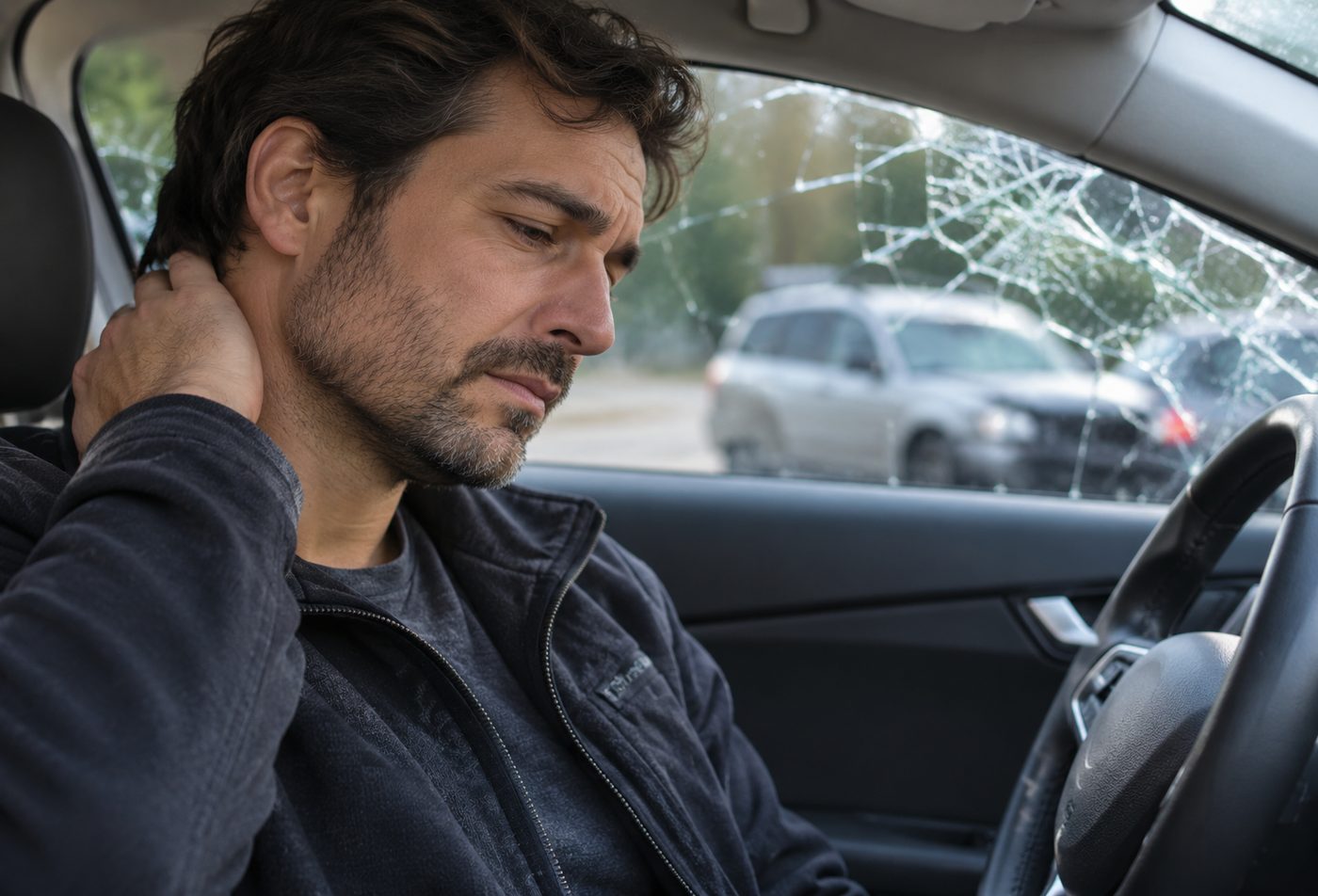
A driver holding his neck after a car accident

Our Assessments (Children and Adults)

Children & Teens

Children and teens can be shaken by an accident even when their injuries are small. We look at fear of riding in a car, sleep, mood and behaviour, attention and learning, and how they are managing at school, and we give clear recommendations for home, school and treatment.

Book an Assessment →

Adults

We look at how the accident has affected your mood, memory, concentration, sleep and confidence, and your ability to return to work, driving and everyday life, with clear recommendations for your recovery and an OCF-18 prepared for treatment.

Book an Assessment →

Psychological Assessment

An assessment of anxiety, low mood, post-traumatic stress and other emotional effects of the accident, with clear recommendations for treatment.

Book an Assessment →

Neuropsychological Assessment

An assessment of memory, attention, thinking speed and other changes after a concussion or brain injury, and of what remains strong.

Book an Assessment →

Treatment & Recovery

Therapy to ease anxiety, rebuild confidence, manage pain-related stress and return to work, school, driving and daily life.

Book an Assessment →

Book an Assessment
Woman in conversation with a psychologist

Does This Sound Familiar?

  • You feel anxious in a car, or avoid driving since the accident.
  • Sleep, concentration or memory have not been the same.
  • You feel more irritable, low or on edge than before.
  • Returning to work or school is harder than you expected.
  • You sometimes feel you are not quite the same person since it happened.

If some of these feel close to home, you are in the right place.

What the Assessment Looks At

We look at the whole picture of how the accident has affected you, not only a single symptom.

  • Emotional effects: anxiety, mood, post-traumatic stress
  • Memory, attention and thinking speed
  • Sleep, pain and fatigue as they affect daily life
  • Changes in work, school and relationships
  • Changes in how you see yourself
  • What remains strong and can support recovery
Psychologist meeting with an adult client

What Happens

1

First Conversation

We talk with you about the accident, how you have been since, and what you hope to regain, and we review medical and insurance records.

2

Assessment Sessions

A range of activities and standardized tests over one or more sessions, with breaks, at a pace that suits the person being assessed.

3

Bringing It Together

The results are scored and integrated with everything we have heard into one coherent picture, not a list of separate numbers.

4

Feedback Meeting

We meet to explain the findings in plain language, answer your questions and talk through what comes next.

A consultation room at the clinic

What You Receive

  • We prepare the Treatment and Assessment Plan (OCF-18) and submit it to your insurer
  • A thorough written report of findings and recommendations
  • Treatment to support your recovery, where needed
  • Communication with your insurer and legal representative, with your consent
  • A clear plan for returning to work, school and daily life

Booking

Tell us what you need and how to reach you. We reply the same day, and always within 24 hours.

Please don’t include personal health details here. This form is not for emergencies; if you are in crisis, call 911 or go to your nearest emergency department.